
Would you like to switch to the accessible version of this site?

Go to accessible site Close modal window

Don't need the accessible version of this site?

Hide the accessibility button Close modal window
Accessibility View Close toolbar
Tri-State Veterinary Clinic & Equine Center

1532 W. Drake Rd.

Kendallville, IN 46755 US

260-347-5777

Open mobile navigation
  • Home
  • New Patient Center
    • Online Forms
    • What to Expect
    • Veterinary Resources
    • Payment Options
  • About Us
    • Meet Our Team
  • Emergency
  • Services
    • Small & Exotic Animal Services
    • Equine Services
  • Veterinary Topics
    • Pet Health
      • Chronic Conditions
      • Digestive and Oral Health
      • Diseases and Viruses
      • Pests and Parasites
      • Orthopedics
    • Today's Veterinarian
    • Choosing Your Pet
      • Finding Your Pet
      • Cats
      • Dogs
      • Exotics
        • Amphibians
        • Birds
        • Reptiles
          • Lizards
          • Turtles
      • Small Mammals
        • Ferrets
        • Rabbits
        • Domesticated Animals
          • Prairie Dogs
        • Pocket Pets
          • Chinchillas
          • Guinea Pigs
          • Hamsters
          • Hedgehogs
          • Rats
      • Livestock
        • Cows
        • Donkeys, Horses & Mules
        • Goats
        • Pigs
        • Poultry
        • Sheep
    • Living With Your Pet
      • Bringing Your Pet Home
      • Children and Pets
      • Providing Care
      • Travel
      • Saying Goodbye
    • Newsletter Library
      • Cats
      • Tips for Pet Owners
      • Behavior & Training
      • Fleas & Parasites
      • Keeping Pets Healthy
      • Recognizing Illness
      • Nutrition & Food
      • Pet Dangers
      • Seasonal Topics
      • Visiting the Vet
      • Equine
      • Newsletter Archive
        • Fun with Pets
        • Unbelievable Pets
    • Video Newsroom
      • Health Topics
      • Technology and Science
      • Other Interests
    • Newsletter Library
    • Client Survey
    • Pets4Kids
  • My VetStore
  • Home >
  • Articles >
  • Newsletter Library >
  • Pet Dangers >
  • Can PBDEs Harm Your Pet?

Can PBDEs Harm Your Pet?

  • Created in Newsletter Library, Pet Dangers
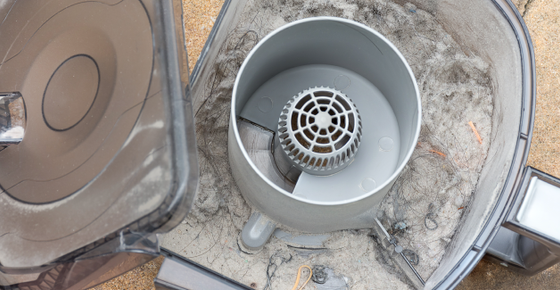
Image of a vacuum dust canister filled with dirt and pet hair.

The Environmental Protection Agency indicates that polybrominated diphenyl ethers (PBDEs) have a negative impact on your health and environment. These chemicals in your home environment may be causing harm to your pet without your knowledge.

In the body, PBDEs are found in breast milk, blood and the blood of umbilical cords. These chemical compounds persist in the environment and accumulate in wild animals. They are thought to cause brain damage, birth defects, and contribute to disease of the liver and thyroid.

PBDE chemical compounds are used as flame retardants in industries that produce electronics, furniture and foam. These products have a propensity of giving off airborne particles that build up in your home's dust. Seventeen pet dogs who live primarily indoors participated in an analysis at Indiana University. The analysis found their PBDE concentration levels to be five to 10 times higher than that of humans.

"In the U.S., we the have highest levels of flame retardants in our dust and in our bodies," indicates Arelene Blum, Executive Director of the Green Science Policy Institute. Pollution in People asserts that these toxic PBDE industrial chemicals have been used for more than 30 years in the manufacturing of mattresses, furniture and consumer-used electronic plastics.

Household furniture is frequently produced with flame retardant chemicals and materials before it is shipped to consumers. Furniture that is made with organic cotton stuffing or wool padding will be free of the hazards of PBDE. This means when shopping for sofas, loveseats, easy chairs, mattresses and other furniture with seat, arm or back padding, it will be important to ask the contents. Ask if flame retardants are used and if there are alternate choices. Request that organic cotton or wool padding be provided as a condition of your purchase. The use of flame retardant materials varies from state to state. Its use will depend on governmental laws and regulations that are in effect.

It is estimated that approximately five percent of the weight of the petroleum-based fill known as polyurethane foam is flame retardant chemicals. Polyurethane foam is used in nearly all sofas, easy chairs, loveseats and mattresses manufactured.

"PBDEs are an important, but generally unrecognized, persistent organic pollutant,'' advised Robert C. Hale in Nature. Hale is a professor at the Virginia Institute of Marine Sciences. Persistent organic pollutants can remain in our environment for many years without breaking down. Body fat in animals and humans become the storage zones for these pollutants.

''There is an enormous need to act quickly when there is a problem with a chemical that is not only toxic but is persistent and accumulates,'' says Gina Solomon, Natural Resources Defense Council senior scientist.

Talk with your veterinarian about the impact of these industrial chemicals on your pet's health and wellness. Your veterinarian will guide you in reducing the negative impact on your pet's health.

Sources:

Environmental Protection Agency.

Green Science Policy Institute.

Hale, Robert. Nature.

Main, Emily. Flame retardant furniture: Unhealthy, and doesn't stop fires.

Natural Resources Defense Council.

Pollution in People.

Practically Green.

  • Pet Health
    • Chronic Conditions
    • Digestive and Oral Health
    • Diseases and Viruses
    • Pests and Parasites
    • Orthopedics
  • Today's Veterinarian
  • Choosing Your Pet
    • Finding Your Pet
    • Cats
    • Dogs
    • Exotics
      • Amphibians
      • Birds
      • Reptiles
        • Lizards
        • Turtles
    • Small Mammals
      • Ferrets
      • Rabbits
      • Domesticated Animals
        • Prairie Dogs
      • Pocket Pets
        • Chinchillas
        • Guinea Pigs
        • Hamsters
        • Hedgehogs
        • Rats
    • Livestock
      • Cows
      • Donkeys, Horses & Mules
      • Goats
      • Pigs
      • Poultry
      • Sheep
  • Living With Your Pet
    • Bringing Your Pet Home
    • Children and Pets
    • Providing Care
    • Travel
    • Saying Goodbye
  • Newsletter Library
    • Cats
    • Tips for Pet Owners
    • Behavior & Training
    • Fleas & Parasites
    • Keeping Pets Healthy
    • Recognizing Illness
    • Nutrition & Food
    • Pet Dangers
    • Seasonal Topics
    • Visiting the Vet
    • Equine
    • Newsletter Archive
      • Fun with Pets
      • Unbelievable Pets
  • Video Newsroom
    • Health Topics
    • Technology and Science
    • Other Interests
  • Newsletter Library
  • Client Survey
  • Pets4Kids

Call 260-347-5777 to make an appointment today!

Error!

    • Services

      We strive to provide complete care for our patients. Learn more about all the services we provide.
    • Online Forms

      Our patient forms are available online so they can be completed in the convenience of your own home or office.

    Office Hours

    Our Regular Schedule

    Monday:

    8:30 am

    5:30 pm

    Tuesday:

    8:30 am

    5:30 pm

    Wednesday:

    8:30 am

    5:30 pm

    Thursday:

    8:30 am

    5:30 pm

    Friday:

    8:30 am

    5:30 pm

    Saturday:

    8:30 am

    Noon

    Sunday:

    Closed

    Closed

    Location

    Find us on the map

    Testimonial

    Read What Our Clients Say

    • "I can't thank the staff enough for the excellent service provided to my Kenzie and for the doctor meeting us in the middle of the night to help her during a midnight emergency! He was so kind and now my hairy child is feeling great and doing wonderful! Thank you!"
      Sasha G. Kendallville, IN

    Featured Articles

    Read about interesting topics

      March Newsletter: How to Keep Your Cat Safe When Outdoors

      Wondering how your cat can safely spend time outdoors? ...

      Read More

      March Newsletter: How to Choose Safe Blankets for Pets

      Do you know how to pick a safe blanket for your pet? ...

      Read More

      February Newsletter: How to Reduce Dental Anxiety in Pets

      Does your pet hate toothbrushing? These tips could reduce dental anxiety. ...

      Read More

      February Newsletter: How to Safely Change Your Cat’s Food

      Buying a new food for your cat? Find out how to switch foods safely. ...

      Read More

      January Newsletter: Signs Your Pet Needs a Wellness Exam

      Does your pet need a wellness exam? ...

      Read More

      January Newsletter: How Your Veterinarian Can Help If Your Pet Ingests Something Toxic

      Has your pet eaten something it shouldn't have? Find out how your vet can help. ...

      Read More

      December Newsletter: Signs Your Pet Needs a Professional Cleaning

      Do you know when your pet needs a professional cleaning? ...

      Read More

      December Newsletter: Simple Ways to Keep Your Home Flea-Free for Your Pet’s Well-being

      Never want to see another flea again? Try these tips for a flea-free home. ...

      Read More

      November Newsletter: The Importance of Bloodwork for Your Pet’s Health

      Wondering if your pet really needs bloodwork? Find out the benefits of blood tests for your furry friend. ...

      Read More

      November Newsletter: Turkey Day Tips for Pet Owners

      Don't forget about your pet when making Turkey Day preparations. ...

      Read More

    NEWSLETTER SIGNUP

    Sign up for more articles

    Error!

      Connect With Us

      • Copyright © 2026 MH Sub I, LLC dba iMatrix.
      • Admin Log In
      • Site Map