
Would you like to switch to the accessible version of this site?

Go to accessible site Close modal window

Don't need the accessible version of this site?

Hide the accessibility button Close modal window
Accessibility View Close toolbar
Tri-State Veterinary Clinic & Equine Center

1532 W. Drake Rd.

Kendallville, IN 46755 US

260-347-5777

Open mobile navigation
  • Home
  • New Patient Center
    • Online Forms
    • What to Expect
    • Veterinary Resources
    • Payment Options
  • About Us
    • Meet Our Team
  • Emergency
  • Services
    • Small & Exotic Animal Services
    • Equine Services
  • Veterinary Topics
    • Pet Health
      • Chronic Conditions
      • Digestive and Oral Health
      • Diseases and Viruses
      • Pests and Parasites
      • Orthopedics
    • Today's Veterinarian
    • Choosing Your Pet
      • Finding Your Pet
      • Cats
      • Dogs
      • Exotics
        • Amphibians
        • Birds
        • Reptiles
          • Lizards
          • Turtles
      • Small Mammals
        • Ferrets
        • Rabbits
        • Domesticated Animals
          • Prairie Dogs
        • Pocket Pets
          • Chinchillas
          • Guinea Pigs
          • Hamsters
          • Hedgehogs
          • Rats
      • Livestock
        • Cows
        • Donkeys, Horses & Mules
        • Goats
        • Pigs
        • Poultry
        • Sheep
    • Living With Your Pet
      • Bringing Your Pet Home
      • Children and Pets
      • Providing Care
      • Travel
      • Saying Goodbye
    • Newsletter Library
      • Cats
      • Tips for Pet Owners
      • Behavior & Training
      • Fleas & Parasites
      • Keeping Pets Healthy
      • Recognizing Illness
      • Nutrition & Food
      • Pet Dangers
      • Seasonal Topics
      • Visiting the Vet
      • Equine
      • Newsletter Archive
        • Fun with Pets
        • Unbelievable Pets
    • Video Newsroom
      • Health Topics
      • Technology and Science
      • Other Interests
    • Newsletter Library
    • Client Survey
    • Pets4Kids
  • My VetStore
  • Home >
  • Articles >
  • Newsletter Library >
  • Tips for Pet Owners >
  • Protect Your Hairless Pet's Sensitive Skin with These Tips

Protect Your Hairless Pet's Sensitive Skin with These Tips

  • Created in Newsletter Library, Tips for Pet Owners
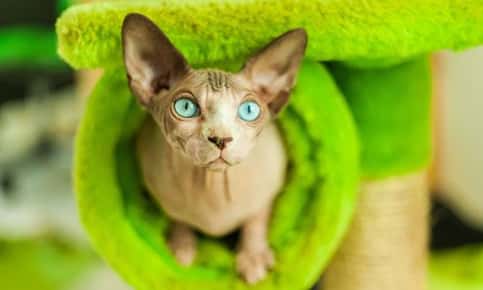
hairless cat

Protect Your Hairless Pet's Sensitive Skin with These Tips

Hairless pets are at increased risk of developing infections, sunburn, dry skin and other skin conditions that can make them very uncomfortable. Fortunately, it's easy to prevent these conditions by following these important tips.

Bathe Your Pet Often

Hairless pets and pets with only one coat of hair, such as greyhounds or chihuahuas, need more frequent baths than furry pets. Baths wash away pollen, dirt, bacteria, debris and pollutants that collect on exposed skin and cause irritation, skin allergies, and bacterial or fungal infections.

Bathing also helps keep natural skin oils under control. Have you ever noticed an oily spot on your bed or sofa after a visit from your fur-free pet? Skin oils are absorbed by hair in most pets but remain on the skin on hairless pets. Although oils help keep skin soft and supple, too much oil can clog skin follicles, triggering an outbreak of acne or blackheads.

Bathing your pet every week or two is a simple way to reduce oil buildup. During the bath, concentrate on removing dirt and oils from the folds that can hide these substances. Keeping folds as clean and dry as possible is the key to preventing bacterial and fungal infections.

If you end up covered with scratches when you bathe your cat, you may be able to reduce the frequency of the baths if you wipe his or skin with a moist washcloth in between bathing sessions.

Although bathing your pet often is a must, frequent trips to the bathtub can dry your pet's skin. Use lukewarm water and opt for shampoos that moisturize and condition the skin. Perfume-free shampoos are less likely to irritate your pet's sensitive skin. Use gentle pressure when washing your pet, as skin irritations due to vigorous scrubbing are more likely to occur in hairless pets.

Apply Sunblock

Although sunburn can occur if any pet spends too much time in the sun, hairless pets and those with only one coat of hair are particularly vulnerable to the effects of the sun. In addition to limiting walks or outdoor play time to the early morning or evening hours, applying sunscreen can help your dog avoid painful burns or skin cancer. Keep in mind that sunscreens and sunblocks that are safe for people aren't necessarily a good choice for your pooch. Choose products specifically intended for dogs, or try spray-on products designed for children. Products that contain zinc oxide should never be used on dogs or cats, as they can trigger severe anemia.

It's best to keep hairless cats indoors, rather than worry about a possible toxic reaction to sunscreens. If you do take your cat outside, ask your veterinarian about safe sunscreen choices.

Lightweight coats that cover your pet's entire body are an excellent alternative to sunscreen, although you'll still want to dab a little sunscreen on noses or other exposed areas, such as tails.

Buy a Winter Coat

Without an insulating layer of hair or fur, your pet will feel the cold more intensely. Warm coats can help decrease the chill whether your pet spends all day indoors or ventures outside for walks. Choose a coat or sweater that completely covers your pet's abdomen and extends to the base of his or her tail. If you plan to walk your dog on snowy or rainy days, buy a waterproof or water repellant coat.

Even hairless pets can become overheated when wearing coats or sweaters. If your dog or cat pulls or scratches at the coat, or starts to pant, take it off for a while. A heated bed or resting spot will help keep your pet warm if he or she doesn't appreciate the benefits of wearing a sweater. In some cases, pets may refuse to wear coats or sweaters due to comfort issues. Make sure that the garment isn't too tight and doesn't inhibit the ability to move freely.

Regular veterinary examinations can help you ensure that your hairless pet's skin remains in good condition year-round. Contact us to schedule your pet's next visit.

Sources:

VetInfo: Skin Care for Hairless Breeds

https://www.vetinfo.com/skin-care-hairless-dog.html

Cummings School of Veterinary Medicine at Tufts University: Caring for the Hairless Dog, 3/15

http://www.tuftsyourdog.com/issues/21_3/features/Caring-for-the-Hairless-Dog-4-1.html

Vet Street: What You Need to Know About Pet Sun Protection This Summer, 6/19/15

http://www.vetstreet.com/our-pet-experts/what-you-need-to-know-about-pet-sun-protection-this-summer

PetMD: Sphynx Cat

https://www.petmd.com/cat/breeds/c_ct_sphynx

Healthy Pets: How Did These Breeds All End Up Naked?, 10/29/16

https://healthypets.mercola.com/sites/healthypets/archive/2016/10/29/hairless-cat-dog-breeds.aspx

  • Pet Health
    • Chronic Conditions
    • Digestive and Oral Health
    • Diseases and Viruses
    • Pests and Parasites
    • Orthopedics
  • Today's Veterinarian
  • Choosing Your Pet
    • Finding Your Pet
    • Cats
    • Dogs
    • Exotics
      • Amphibians
      • Birds
      • Reptiles
        • Lizards
        • Turtles
    • Small Mammals
      • Ferrets
      • Rabbits
      • Domesticated Animals
        • Prairie Dogs
      • Pocket Pets
        • Chinchillas
        • Guinea Pigs
        • Hamsters
        • Hedgehogs
        • Rats
    • Livestock
      • Cows
      • Donkeys, Horses & Mules
      • Goats
      • Pigs
      • Poultry
      • Sheep
  • Living With Your Pet
    • Bringing Your Pet Home
    • Children and Pets
    • Providing Care
    • Travel
    • Saying Goodbye
  • Newsletter Library
    • Cats
    • Tips for Pet Owners
    • Behavior & Training
    • Fleas & Parasites
    • Keeping Pets Healthy
    • Recognizing Illness
    • Nutrition & Food
    • Pet Dangers
    • Seasonal Topics
    • Visiting the Vet
    • Equine
    • Newsletter Archive
      • Fun with Pets
      • Unbelievable Pets
  • Video Newsroom
    • Health Topics
    • Technology and Science
    • Other Interests
  • Newsletter Library
  • Client Survey
  • Pets4Kids

Call 260-347-5777 to make an appointment today!

Error!

    • Services

      We strive to provide complete care for our patients. Learn more about all the services we provide.
    • Online Forms

      Our patient forms are available online so they can be completed in the convenience of your own home or office.

    Office Hours

    Our Regular Schedule

    Monday:

    8:30 am

    5:30 pm

    Tuesday:

    8:30 am

    5:30 pm

    Wednesday:

    8:30 am

    5:30 pm

    Thursday:

    8:30 am

    5:30 pm

    Friday:

    8:30 am

    5:30 pm

    Saturday:

    8:30 am

    Noon

    Sunday:

    Closed

    Closed

    Location

    Find us on the map

    Testimonial

    Read What Our Clients Say

    • "I can't thank the staff enough for the excellent service provided to my Kenzie and for the doctor meeting us in the middle of the night to help her during a midnight emergency! He was so kind and now my hairy child is feeling great and doing wonderful! Thank you!"
      Sasha G. Kendallville, IN

    Featured Articles

    Read about interesting topics

      March Newsletter: How to Keep Your Cat Safe When Outdoors

      Wondering how your cat can safely spend time outdoors? ...

      Read More

      March Newsletter: How to Choose Safe Blankets for Pets

      Do you know how to pick a safe blanket for your pet? ...

      Read More

      February Newsletter: How to Reduce Dental Anxiety in Pets

      Does your pet hate toothbrushing? These tips could reduce dental anxiety. ...

      Read More

      February Newsletter: How to Safely Change Your Cat’s Food

      Buying a new food for your cat? Find out how to switch foods safely. ...

      Read More

      January Newsletter: Signs Your Pet Needs a Wellness Exam

      Does your pet need a wellness exam? ...

      Read More

      January Newsletter: How Your Veterinarian Can Help If Your Pet Ingests Something Toxic

      Has your pet eaten something it shouldn't have? Find out how your vet can help. ...

      Read More

      December Newsletter: Signs Your Pet Needs a Professional Cleaning

      Do you know when your pet needs a professional cleaning? ...

      Read More

      December Newsletter: Simple Ways to Keep Your Home Flea-Free for Your Pet’s Well-being

      Never want to see another flea again? Try these tips for a flea-free home. ...

      Read More

      November Newsletter: The Importance of Bloodwork for Your Pet’s Health

      Wondering if your pet really needs bloodwork? Find out the benefits of blood tests for your furry friend. ...

      Read More

      November Newsletter: Turkey Day Tips for Pet Owners

      Don't forget about your pet when making Turkey Day preparations. ...

      Read More

    NEWSLETTER SIGNUP

    Sign up for more articles

    Error!

      Connect With Us

      • Copyright © 2026 MH Sub I, LLC dba iMatrix.
      • Admin Log In
      • Site Map